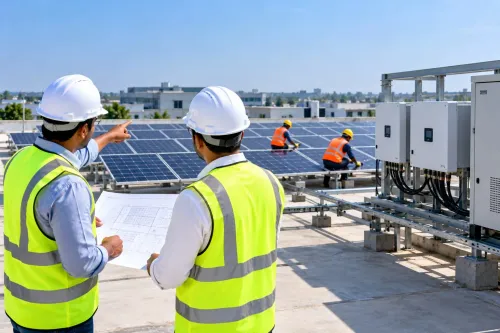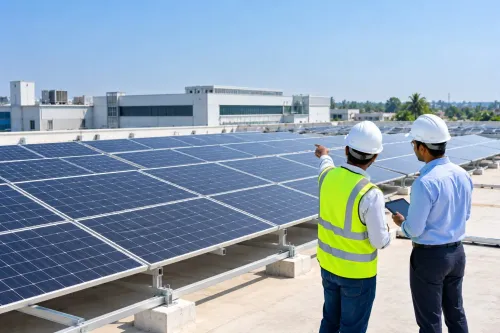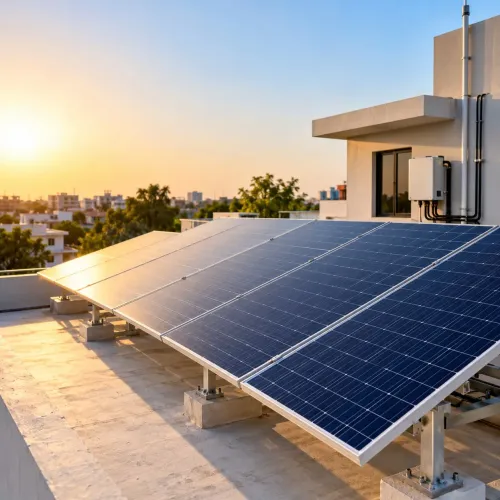
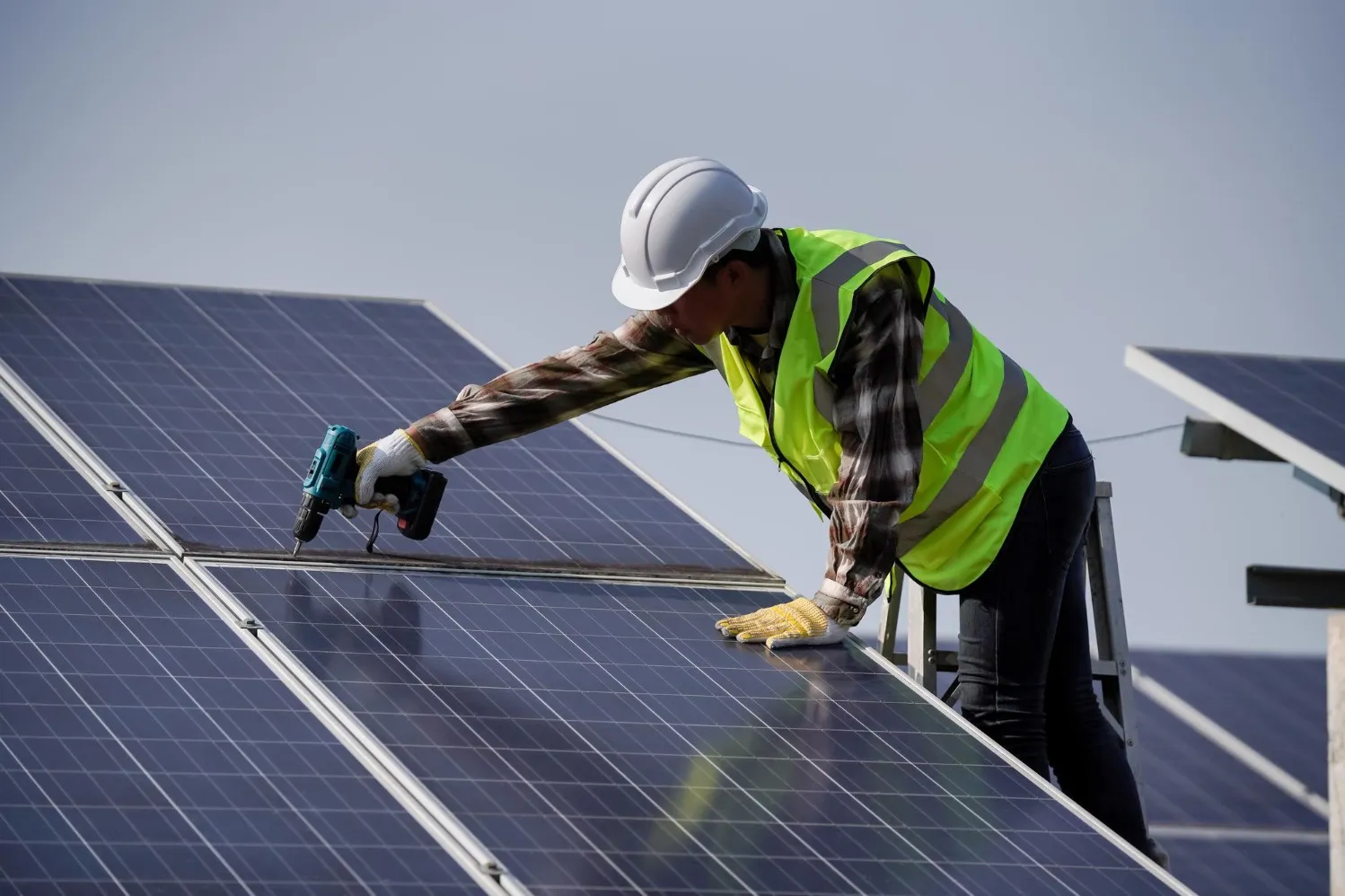
A Home Solar Installation can transform an unused rooftop into an electricity-generating asset, but homeowners should prepare carefully before approving a project. Decisions made during assessment and design can influence system usability, maintenance access, expected generation, and long-term satisfaction.
For households in Nashik, Maharashtra, the following practical checklist can make the planning process easier.
Review At Least Several Electricity Bills
Do not size the system from a single month.
Electricity consumption may change significantly across seasons. Review several bills to identify average usage and higher-consumption periods.
Think about appliances that contribute heavily to demand, including air conditioners, pumps, geysers, refrigerators, kitchen equipment, and home-office devices.
Identify Daytime Electricity Use
Solar generation takes place during daylight hours.
Understanding how much electricity your household consumes during this period helps create a more accurate picture of solar utilization.
Families with daytime occupancy may have different consumption patterns from households where residents return mainly in the evening.
Check Usable Rooftop Space
Measure usable space rather than total terrace area.
Water tanks, staircases, shade, antennas, walls, utility equipment, access passages, and future construction can reduce the area available for panels.
The roof should also retain practical access for cleaning and maintenance.
Discuss Structural Conditions
Solar modules and mounting structures add load to the installation area.
The suitability of the roof and mounting method should be assessed according to site conditions.
Older buildings and roofs with existing structural concerns may need additional attention before installation.
Understand Every Major Component
Ask the provider to explain the panels, inverter, mounting structure, cables, electrical protection, earthing, and monitoring equipment included in the proposal.
This prevents homeowners from comparing quotations based only on system capacity.
Read Warranty Documents
Do not rely exclusively on verbal statements.
Review applicable product and performance warranties and understand which company provides each warranty.
Keep copies of relevant invoices, specifications, warranty documents, and commissioning information after installation.
Discuss Expected Generation
Ask how the estimated electricity generation has been calculated.
The estimate should consider local solar conditions, system capacity, orientation, shading, and expected system losses.
Generation will naturally vary across days and seasons.
Plan Cleaning Access
Dust and environmental deposits can accumulate on solar panels.
Cleaning requirements vary depending on site conditions, so homeowners should understand how panels can be accessed safely.
Avoid layouts that make routine maintenance unnecessarily difficult.
Consider Future Household Changes
Tell the installer about foreseeable increases in electricity use.
Home extensions, additional air conditioners, electric vehicles, new appliances, and home-office requirements may affect future consumption.
While every future change cannot be predicted, known plans should be considered.
Choose a Provider Based on the Complete Proposal
SunsetLife Solar Pvt. Ltd. provides solar solutions for homeowners and other property owners in Nashik. Before proceeding with a Home Solar Installation, customers should compare system design, equipment specifications, warranties, installation scope, monitoring, and support together.
Solar is intended to operate over a long period. Spending additional time on assessment before installation can help homeowners avoid common problems such as unsuitable system sizing, inaccessible panel layouts, unclear warranty expectations, and incomplete quotation comparisons.
A well-prepared homeowner is also better equipped to evaluate whether a proposed solar system genuinely matches the property’s electricity requirements.
Keywords