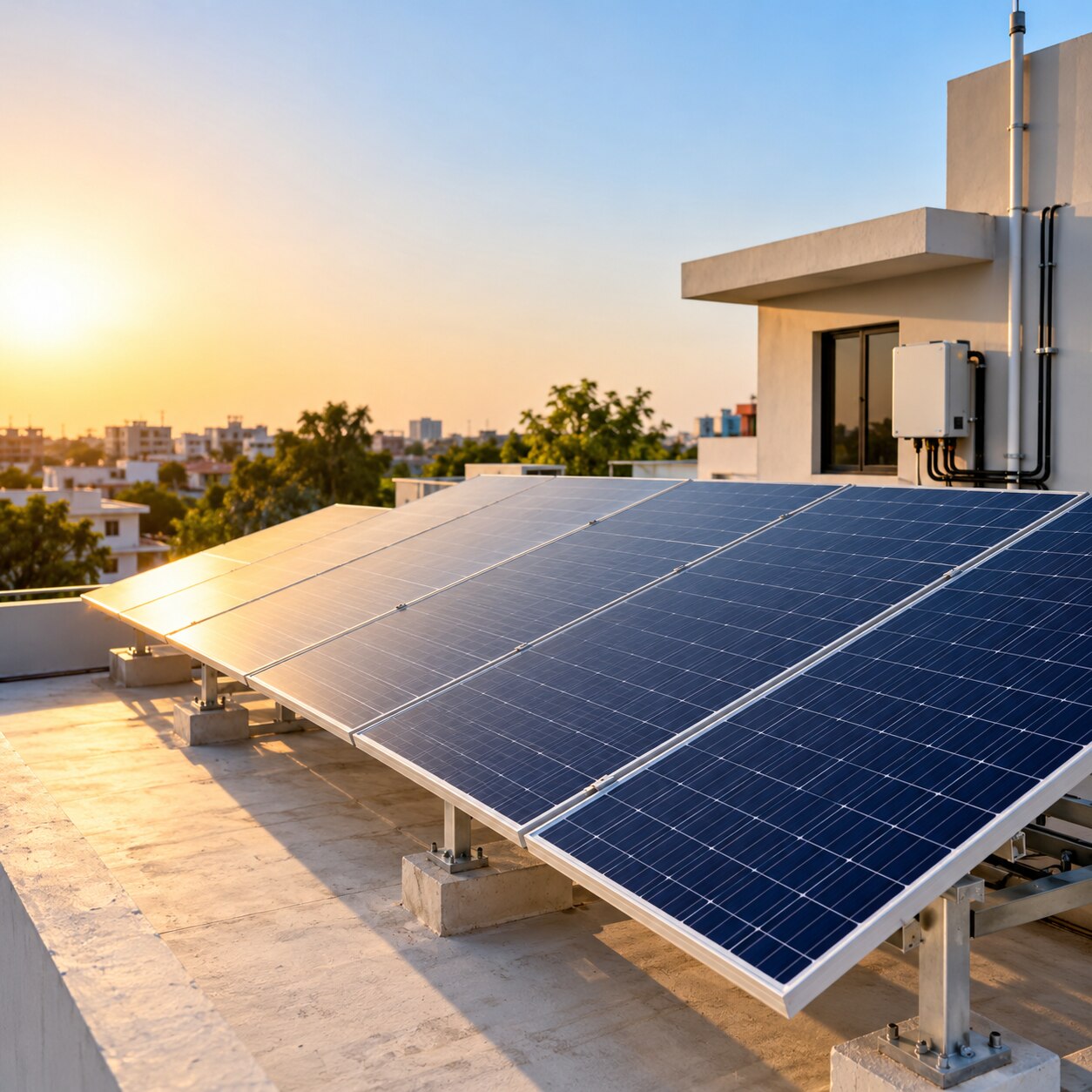
A roof can look large enough for solar and still fail the practical test because of shade, setbacks, weak framing, an aging covering, or limited electrical capacity. By checking the roof, load profile, approvals, outage needs, tariff, and contract terms in the right order, you can reject unsuitable designs and compare viable quotes with clearer expectations.
Key takeaways
- Exclude shaded, obstructed and unsafe roof sections from usable panel area.
- Match system size to annual electricity use, daytime demand and utility rates.
- Confirm structural capacity, electrical upgrades and permits before signing.
- Compare warranties, equipment specifications, exclusions and payment terms line by line.
Can your roof actually fit a useful solar array?
A roof fits a useful solar array only when its clear, durable, well-oriented area can support the equipment and deliver enough sunlight. Measured roof size is not usable roof area: ridges, eaves, hips, valleys, edges, skylights, vents, plumbing stacks, and firefighter access reduce the places where modules can go.
Check these site constraints before accepting a design:
- Roof condition: Inspect shingles or membrane, decking, flashing, drainage, and remaining service life. If roof replacement is due soon, replace it before installing panels; removing and reinstalling an array later adds labour and creates another leak risk.
- Orientation and shade: In the Northern Hemisphere, south-facing roof planes usually produce the most annual energy. East- and west-facing planes can still work, but trees, chimneys, dormers, and nearby buildings can cast losses that a single midday visit misses.
- Structural capacity: Confirm that the framing and attachment points can carry module, racking, wind, and snow loads without overstressing rafters or trusses. A structural review matters even when the roof looks sound.
- Solar panel roof requirements: Leave clearances for edges, ridges, roof penetrations, maintenance, and required access routes. Keep the planned array away from weak decking and deteriorated flashing.
Ask for a roof layout showing exclusions, shade assumptions, attachment locations, and the electrical-service limits that could require a panel, busbar, breaker, or service upgrade. Also confirm separately who covers roof leaks, workmanship, inverter failure, and future array removal.
How much electricity can the roof produce for your home?
A solar production estimate should report annual electricity delivered in kilowatt-hours (kWh), not simply the total panel nameplate capacity. Model each usable roof plane separately, because roof orientation, tilt, azimuth and shade can produce different results.
Use a tool such as NREL’s PVWatts model or a qualified installer’s site model. Enter:
- The panel nameplate capacity and number of modules on each roof plane
- The plane’s tilt and azimuth, measured from true north rather than guessed from a map
- Local solar resource and weather data
- Tree, chimney, dormer and building obstructions that create solar panel shading
- Module temperature behaviour, soiling, snow and other environmental losses
- Inverter efficiency, wiring loss, module mismatch and any inverter clipping
South-facing planes generally produce the most annual energy in the Northern Hemisphere, but east- and west-facing planes can still work well. A nearby tree can cut output during only part of the day, so inspect shade in morning, midday and afternoon rather than during one site visit.
High module temperatures reduce instantaneous output, while the inverter converts the panels’ direct current into usable alternating current with additional losses. Compare the model’s estimated AC kWh with your utility’s export limits and tariff; production that exceeds your useful consumption may earn a lower credit than electricity offset behind the meter.
What structural, electrical and permit checks come before installation?
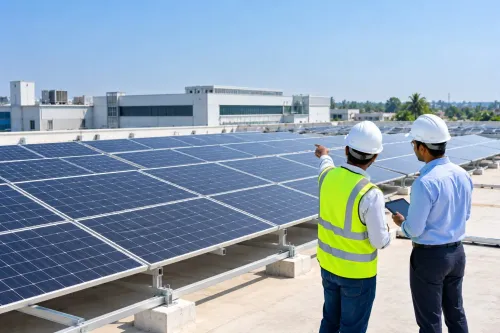
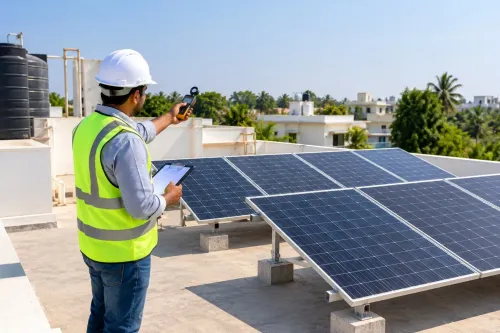
Before a permit-ready design, confirm the roof, structure, electrical service capacity, and utility interconnection. A solar structural assessment must verify framing, attachment points, added dead load, wind, snow, and seismic forces under the locally adopted building code.
Check the roof covering, decking, flashing, drainage, and remaining service life. Installing panels on a roof due for replacement creates removal, reinstallation, and new-leak risks.
Ask for these checks in the proposal:
- Main-service rating, busbar capacity, existing loads, conductor sizes, grounding electrode system, and available breaker positions
- Roof attachments, array setbacks, maintenance pathways, rapid-shutdown equipment, and required labels
- AC and DC disconnect locations, breaker rating, overcurrent protection, and a supply-side connection if the load-side connection lacks capacity
- Building, electrical, and structural solar permits, inspection steps, and utility approval before parallel operation
| Check | Design question | Possible consequence |
|---|---|---|
| Service panel | Can the busbar and feeder accept the inverter output? | A derated breaker, load-side redesign, or service upgrade |
| Grounding and disconnects | Are bonding paths and accessible disconnects code-compliant? | New conductors, equipment, or disconnect locations |
| Roof attachments | Can framing resist uplift and pull-out forces? | Different attachment points, reinforcement, or smaller array |
| Utility interconnection | What export limit, meter, tariff, and application rules apply? | System-size limit, control equipment, fees, or delayed permission to operate |
Utility approval is not automatic after inspection. The approved labels and single-line diagram must match the installed system.
How should power usage, batteries and utility rates shape the system size?
Size the array against when your household electricity usage occurs, not only its annual total. Hourly utility data shows whether daytime solar will serve live loads, charge a battery, or flow to the grid; a home with heavy evening demand needs a different design from one occupied during sunny hours.
Export credits determine whether extra panels earn their keep. Under net metering, exported kilowatt-hours may offset later purchases at the retail rate; an avoided-cost credit, export limit, fixed charge, or demand charge can make additional generation far less valuable.
Time-of-use rates strengthen the case for storing midday energy when evening electricity costs more, but include battery losses in the comparison.
Solar system sizing and battery sizing are separate decisions. Check both battery dimensions:
- Solar battery capacity, measured in kWh, determines how much energy you can shift into the evening or use during an outage.
- Battery output, measured in kW, determines which loads can run simultaneously. A battery may hold enough energy overnight yet lack the output to run a large air conditioner or electric range.
Choose more battery capacity when evening demand and peak rates are high. Choose higher output when backup loads start together. Extra panels or storage improve financial value only when they replace expensive purchases, earn strong export credits, or provide backup worth paying for.
What should you compare in a solar quote and contract?
Compare competing proposals by matching equipment, expected output, responsibilities, and the total installed price. A larger panel count does not prove a better deal.
| Item | Proposal A | Proposal B | Check before signing |
|---|---|---|---|
| Equipment | Module, inverter and racking models | Module, inverter and racking models | Confirm wattage, efficiency, monitoring, and compatible voltage ratings |
| Production | Annual kWh estimate | Annual kWh estimate | Require roof-plane, tilt, azimuth, shade, weather-resource and utility-export assumptions, not panel watts multiplied by “sun hours” |
| Clipping | DC capacity versus inverter AC rating | DC capacity versus inverter AC rating | Accept modest clipping only when the lost midday energy and design reason are shown |
| Workmanship | Installation and roof-leak terms | Installation and roof-leak terms | Name the workmanship period, flashing method, and who pays for leak investigation and repair |
| Warranty | Solar panel warranties and inverter warranty | Solar panel warranties and inverter warranty | Separate product, labour, roof, and performance coverage; state claim procedure and exclusions |
| Removal | Array removal and reinstallation terms | Array removal and reinstallation terms | Specify future roof replacement costs, storage, and new flashing |
| Approvals and price | Permits, utility approval and final price | Permits, utility approval and final price | Include taxes, structural or electrical upgrades, meter fees, commissioning, and every excluded charge |
The solar installation contract must attach the final layout, single-line diagram, production estimate, payment schedule, completion date, cancellation terms, and approval responsibilities. Ask SunsetLife Solar Pvt. Ltd to identify these items in writing rather than relying on a sales proposal.
A cheap quote becomes expensive when it excludes roof repairs, service-panel work, or permit fees. Compare the same scope line by line before choosing.
Frequently asked questions
How do you know whether a roof can fit a useful solar array?
Measure the clear, durable roof areas, then exclude ridges, hips, valleys, edges, skylights, vents, plumbing stacks, shade and required access paths.
How much electricity can a home solar roof produce?
Production depends on usable panel area, roof orientation, tilt, shading, local sunlight, equipment losses and the system’s rated capacity.
What checks are needed before installing rooftop solar?
Arrange a structural inspection, review the main electrical panel and service capacity, check wiring and roof condition, and confirm local permits and utility requirements.
What should you compare in solar quotes and contracts?
Compare system capacity, annual production estimate, panel and inverter models, battery terms, warranties, scope of work, approvals, exclusions, payment schedule and commissioning documents.