Installing a rooftop solar system is one of the smartest long-term investments many homeowners can make. It helps reduce electricity bills, supports clean energy, and offers greater control over household power consumption. However, the success of a solar project depends on much more than simply placing panels on a roof.
Many homeowners in Nashik begin their solar journey by comparing prices alone. While cost is certainly an important consideration, overlooking technical details during the planning stage can affect energy generation, system efficiency, and long-term savings.
If you're considering a home solar installation, avoiding these common mistakes can help you make a more informed decision and maximise the return on your investment.
Why Careful Planning Matters
A rooftop solar system is expected to perform efficiently for decades. Every decision—from selecting the right capacity to choosing quality components—plays a role in determining how much electricity your system generates over its lifetime.
Professional planning reduces the chances of expensive modifications later while ensuring your home receives the maximum benefit from available sunlight. It also helps homeowners choose a system that matches their current lifestyle while accommodating future energy needs.
Mistake 1: Choosing a System Based Only on Price
One of the biggest mistakes homeowners make is selecting the cheapest quotation without comparing what's included.
Two solar proposals may appear similar on paper but can differ significantly in terms of:
- Solar panel quality
- Inverter efficiency
- Mounting structure materials
- Electrical protection systems
- Product warranties
- Installation workmanship
A slightly higher investment in quality equipment often delivers better energy generation, greater reliability, and lower maintenance costs over the life of the system.
Mistake 2: Ignoring Your Actual Electricity Consumption
Every household has different electricity requirements.
Before deciding on a system size, review your electricity bills from the past 12 months. This provides a clearer picture of your average consumption and seasonal variations.
A system that is too small may not generate enough electricity to meet your needs, while an oversized system can increase your investment without delivering proportional benefits.
Mistake 3: Forgetting About Future Energy Needs
Your electricity consumption today may not be the same five years from now.
Consider future plans such as:
- Purchasing an electric vehicle
- Installing additional air conditioners
- Expanding your home
- Adding new electrical appliances
- Setting up a home office
Planning for future demand during the initial installation is often more economical than upgrading the system later.
Mistake 4: Not Checking Rooftop Conditions
A rooftop that appears suitable may still have hidden challenges that affect solar performance.
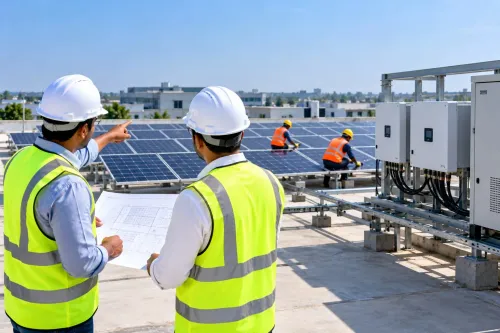
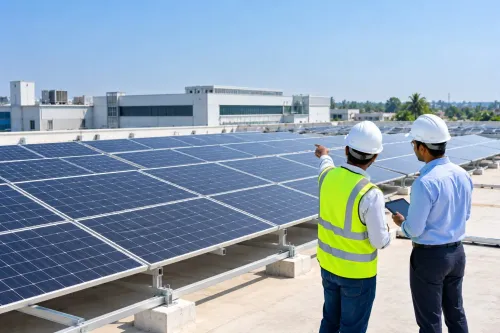
A professional site assessment evaluates:
- Roof orientation
- Available sunlight throughout the day
- Seasonal shading
- Structural strength
- Drainage conditions
- Available installation area
These factors directly influence how efficiently residential solar panels generate electricity.
Mistake 5: Overlooking the Importance of the Inverter
Many homeowners focus primarily on solar panels while paying little attention to the inverter.
The inverter converts the electricity generated by the panels into usable power for your home. It is one of the most critical components of the entire solar system.
Choosing a high-quality inverter with strong technical support and warranty coverage helps improve overall system performance and reliability.
Mistake 6: Ignoring Product Warranties
Solar systems are designed to operate for many years, making warranty coverage an important consideration.
Before installation, understand the warranties provided for:
- Solar panels
- Solar inverter
- Mounting structure
- Installation workmanship
Clear warranty terms offer greater confidence and can reduce unexpected expenses in the future.
Mistake 7: Assuming Solar Systems Require No Maintenance
Residential solar systems require relatively little maintenance, but they should not be considered maintenance-free.
To maintain optimum performance:
- Clean the solar panels periodically to remove dust and debris.
- Inspect electrical wiring and connections during scheduled maintenance.
- Monitor the inverter for performance alerts or error messages.
- Arrange professional inspections whenever recommended.
Regular maintenance helps maximise electricity generation and extends the lifespan of the system.
Mistake 8: Choosing an Installer Without Technical Expertise
The quality of installation is just as important as the quality of the equipment itself.
Experienced installation teams consider:
- Panel orientation
- Tilt angle
- Wind resistance
- Cable management
- Structural safety
- Electrical compliance
- Future service accessibility
Proper engineering ensures your system performs efficiently while meeting safety standards.
Mistake 9: Not Understanding Net Metering
Many homeowners install solar without fully understanding how net metering works.
Net metering allows eligible homeowners to export surplus electricity generated during the day to the utility grid, depending on applicable regulations. Understanding this process helps you estimate long-term savings more accurately and make better investment decisions.
Mistake 10: Skipping a Professional Energy Assessment
Every home has unique energy requirements.
Factors such as electricity consumption, roof dimensions, shading patterns, appliance usage, and future expansion plans all influence the ideal solar system design.
Instead of selecting a standard package, a professional energy assessment helps determine the most suitable capacity for your home while improving long-term performance and return on investment.
A Simple Checklist Before You Install Solar
Before making your final decision, ensure you have:
- Reviewed your annual electricity consumption.
- Compared equipment quality instead of focusing only on pricing.
- Verified the warranties offered for solar panels and the inverter.
- Evaluated whether your rooftop receives adequate sunlight.
- Understood the applicable net metering process and guidelines.
- Considered your future electricity requirements.
- Selected an experienced and technically qualified installation team.
- Asked about maintenance support and after-sales service.
Making the Right Solar Decision
A home solar installation is more than a construction project—it's a long-term investment in energy independence, sustainability, and financial savings. Taking time to understand your requirements and avoiding common planning mistakes can significantly improve the efficiency, reliability, and lifespan of your solar system.
Homeowners across Nashik are increasingly choosing experienced professionals who provide customised site assessments instead of one-size-fits-all recommendations. SunsetLife Solar Pvt. Ltd. evaluates each property's rooftop conditions, electricity consumption, and future energy requirements before recommending an appropriate solar solution tailored to individual needs.
Whether your goal is lowering monthly electricity bills, reducing your environmental impact, or increasing your home's energy independence, careful planning is the foundation of a successful solar investment. By choosing quality equipment, working with skilled installers, and understanding the complete installation process, you can enjoy dependable clean energy and long-term value for decades while contributing to a more sustainable future for Maharashtra.
Keywords