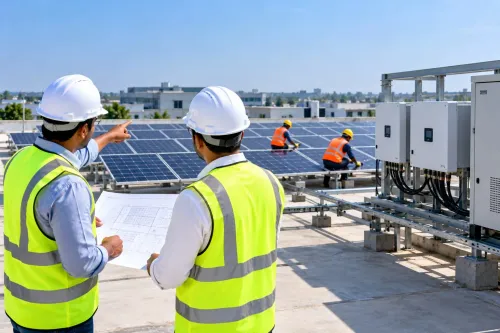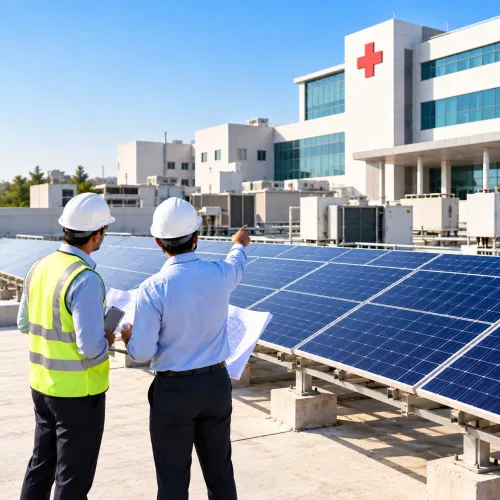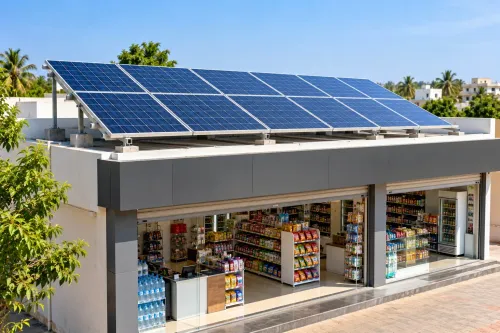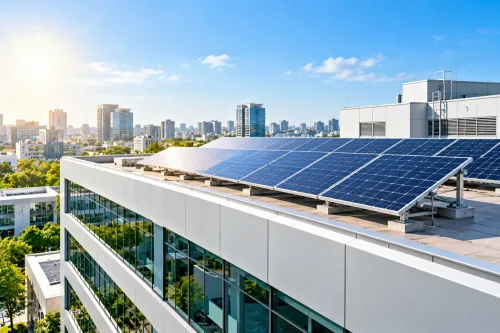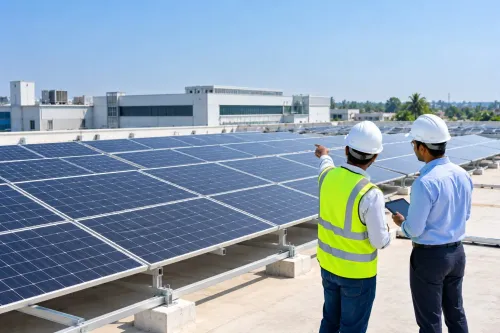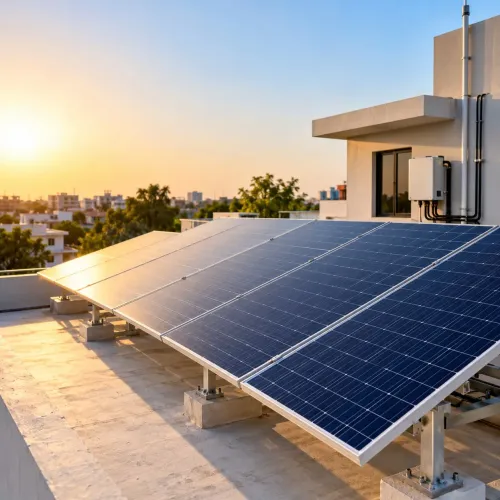
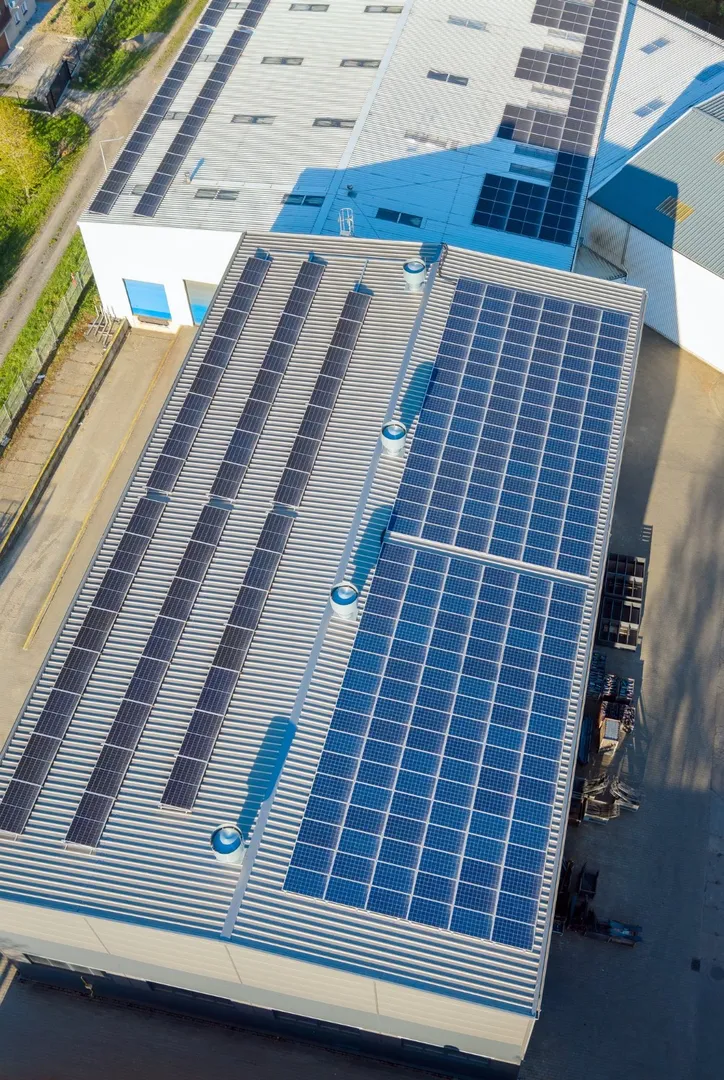
Factories frequently consume substantial amounts of electricity through machinery, motors, compressors, HVAC systems, lighting, pumps, process equipment, and supporting infrastructure. When much of this demand occurs during daylight hours, a Solar Setup for Factories can become an important part of long-term energy planning.
For industrial units in Nashik, Maharashtra, however, solar should be evaluated through operational and technical data rather than general assumptions.
Begin With the Factory Load Profile
Industrial electricity bills reveal only part of the picture.
A detailed solar assessment should examine when electricity is consumed throughout the working day.
Factories operating a single daytime shift may have a very different load profile from facilities running continuously. Seasonal production cycles can also create significant fluctuations.
Useful information includes:
- Monthly electricity consumption
- Daytime load
- Maximum demand
- Shift timings
- Machinery schedules
- Planned production expansion
- Shutdown periods
- Available rooftop area
This information helps determine how solar generation may align with factory consumption.
Industrial Roofs Need Detailed Assessment
Factories often have large roofs, but available area alone does not determine solar capacity.
Roof type, structural suitability, sheet condition, orientation, shading, vents, skylights, exhaust systems, access paths, and maintenance requirements all influence system design.
Safety is particularly important in industrial environments.
Installation planning should account for worker movement, equipment access, electrical routing, fire safety considerations, and future roof maintenance.
Equipment Quality Matters at Industrial Scale
A commercial-scale solar plant contains many interconnected components.
Modules may receive most of the attention, but inverter selection, mounting systems, cables, connectors, protection equipment, earthing, and monitoring infrastructure are equally important.
At larger capacities, small design weaknesses can become significant operational issues.
Detailed engineering should therefore precede procurement.
Generation Should Align With Consumption
The objective is not necessarily to install the maximum number of panels that can fit on the roof.
A more useful question is how the proposed generation relates to the facility’s electricity profile.
Oversizing without understanding consumption and applicable regulations may produce less attractive economics than expected.
Likewise, undersizing may leave usable rooftop potential unutilized.
Financial Evaluation Needs Realistic Assumptions
Businesses often want to know how quickly solar will recover its investment.
There is no universal answer.
Project cost, electricity tariff, system size, generation, consumption pattern, financing, maintenance, and applicable policies can all influence financial outcomes.
A meaningful ROI calculation should use site-specific assumptions rather than generic industry figures.
Monitoring Helps With Long-Term Management
Industrial solar installations should not disappear from attention after commissioning.
Generation monitoring allows facility teams to compare output trends and identify unusual changes. Cleaning schedules can be planned according to local dust conditions, while periodic inspections can help maintain system integrity.
SunsetLife Solar Pvt. Ltd. works with industrial and commercial customers in Nashik evaluating solar installations based on site conditions and electricity demand.
A properly engineered Solar Setup for Factories can contribute to reducing grid electricity consumption during suitable operating periods. The strongest projects begin with accurate energy data, realistic generation estimates, appropriate equipment selection, safe engineering, and a clear plan for long-term operation.
Keywords