Choosing solar is a long-term decision, which makes provider evaluation just as important as equipment selection. A capable Solar System Provider should be able to explain why a particular system has been recommended, what assumptions were used, and how the installation will work at the property.
Customers in Nashik, Maharashtra, can use a structured set of questions to compare proposals more effectively.
How Was the System Capacity Calculated
Ask the provider to explain the recommended capacity.
A useful answer should refer to electricity consumption, daytime usage, available installation area, shading, site conditions, and applicable project requirements.
Be cautious when capacity is recommended without reviewing electricity bills or inspecting the installation site.
What Equipment Is Included
Request clear specifications for the main components.
These commonly include:
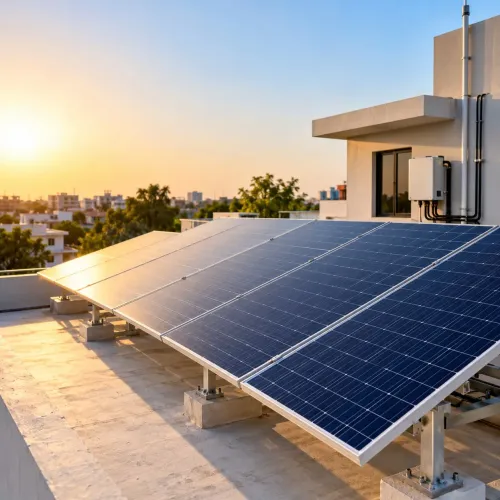
- Solar modules
- Inverter
- Mounting structure
- DC cables
- AC cables
- Connectors
- Protection equipment
- Earthing components
- Monitoring system
Knowing the exact scope makes quotations easier to compare.
What Warranties Apply
Solar equipment may carry different warranties depending on the component and manufacturer.
Ask for written information about product warranties, panel performance warranties, inverter coverage, installation-related commitments, and applicable terms.
It is also useful to understand the process for raising a warranty-related issue.
Has the Site Been Properly Assessed
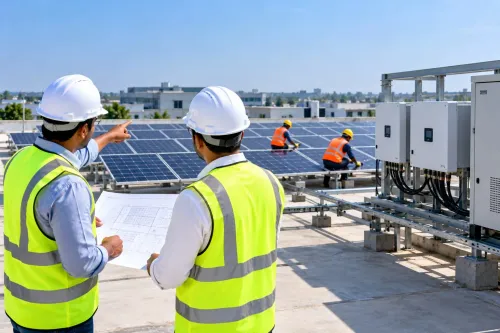
A site assessment should look beyond roof dimensions.
Shading, structural conditions, electrical infrastructure, panel orientation, cable routing, equipment placement, access, safety, and maintenance requirements can all influence the installation.
For commercial and industrial properties, the assessment may need additional technical detail because of larger loads and more complex electrical systems.
What Generation Can Be Expected
Ask how generation estimates were calculated.
Solar output changes based on sunlight, weather, shading, temperature, orientation, system losses, maintenance, and equipment characteristics.
Responsible estimates should therefore be based on stated assumptions rather than presented as guaranteed fixed production.
How Will Performance Be Monitored
Monitoring provides visibility into system operation.
Ask whether generation information will be accessible and what parameters users can review.
For businesses, monitoring can be particularly useful for comparing generation trends with facility electricity consumption.
What Happens After Commissioning
Installation is only the beginning of the system’s operating life.
Ask about cleaning guidance, inspection requirements, technical support, troubleshooting, and maintenance arrangements.
Understanding responsibilities from the beginning helps prevent confusion later.
Is the Proposal Suitable for Future Requirements
Electricity demand may increase over time.
A household may add appliances or an electric vehicle. A business may expand operations. A factory may add production equipment.
Discuss foreseeable changes so the provider can consider them during planning.
SunsetLife Solar Pvt. Ltd. serves residential, commercial, and industrial customers evaluating solar energy systems in Nashik. When comparing any Solar System Provider, customers should focus on the quality of assessment and clarity of technical explanations rather than relying only on the final quotation amount.
A provider that can explain capacity, equipment, expected generation, warranties, installation practices, monitoring, and long-term support gives customers more information to make a sound decision. Solar is a long-term infrastructure investment, so informed comparison at the beginning can make a meaningful difference throughout the system’s operating life.
Keywords