A solar proposal can look straightforward on paper, but good solar planning involves several technical and practical decisions. Experienced Solar Panel Experts should be able to translate electricity data, rooftop conditions, equipment specifications, and customer objectives into a system design that makes sense for the property.
For customers in Nashik, Maharashtra, several indicators can help distinguish a detailed solar assessment from a basic sales quotation.
They Ask for Electricity Consumption Data
A serious solar discussion usually begins with electricity usage.
The consultant may request recent electricity bills, ask about operating hours, discuss daytime consumption, and identify major electrical loads.
For businesses and factories, the conversation may include load profiles, shifts, maximum demand, machinery schedules, and future expansion.
This information is necessary because system capacity should reflect actual requirements.
They Inspect the Installation Area
A provider should not assume that the entire roof is usable.
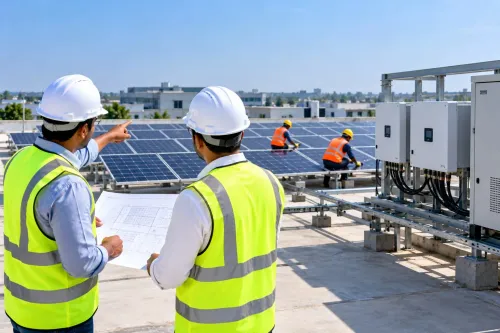
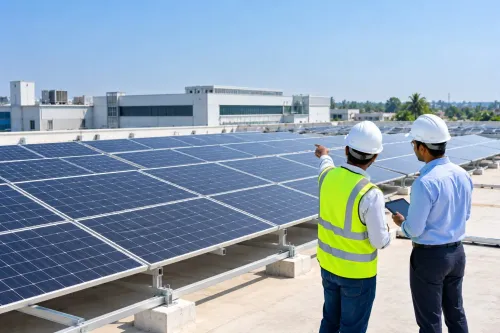
A proper assessment considers shading, orientation, roof condition, structural factors, obstacles, access routes, equipment locations, and maintenance space.
For industrial buildings, vents, skylights, roof sheets, exhaust systems, and other infrastructure may affect panel layout.
They Explain the Proposed Capacity
Customers should be able to understand why a certain system size has been recommended.
The explanation does not need to be excessively technical, but it should connect system capacity with consumption and available space.
A proposal that simply recommends the largest possible installation without discussing energy use deserves closer examination.
They Discuss More Than Solar Panels
Panels are only part of the system.
Knowledgeable professionals should also discuss inverters, mounting structures, cables, protection equipment, earthing, monitoring, installation quality, and system integration.
The overall reliability of the installation depends on these components working together properly.
They Set Realistic Expectations
Solar generation varies.
Weather conditions, seasonal sunlight, shading, dust, temperature, system losses, and equipment performance can all affect output.
Professional consultants should explain generation estimates as projections based on assumptions rather than promising identical output every day.
The same principle applies to financial savings and payback periods.
They Explain Warranties Clearly
Customers should understand which warranties come from equipment manufacturers and which responsibilities relate to installation services.
Important questions include warranty duration, coverage, exclusions, claim procedures, and documentation.
Clear warranty discussions help customers understand what support may be available later.
They Consider Maintenance During Design
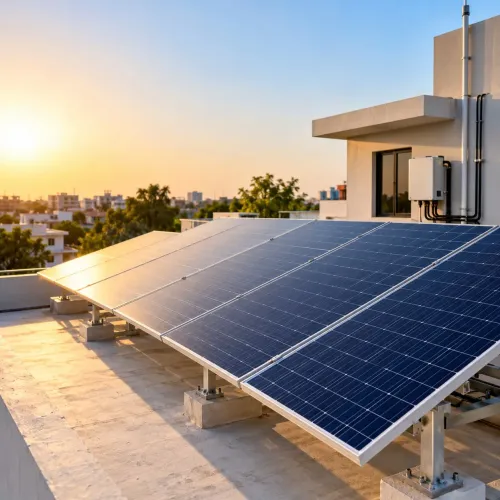
A well-planned system should allow reasonable access for cleaning and inspection.
Panels placed without adequate access may become difficult to maintain.
Monitoring should also be discussed so users can keep track of system performance.
They Adapt the Design to the Customer
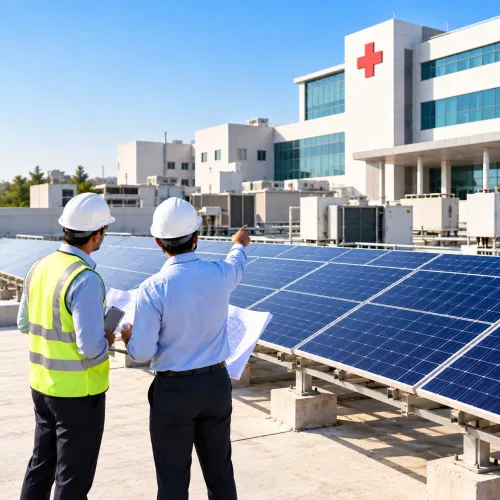
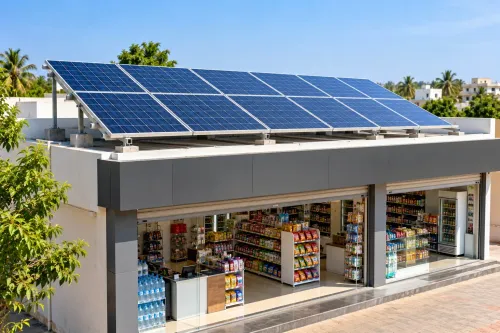
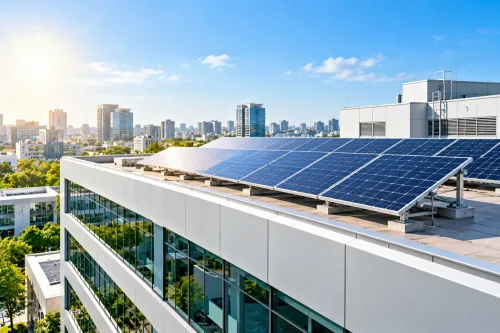
A residential rooftop, hospital, school, office, commercial building, and factory should not automatically receive the same planning approach.
SunsetLife Solar Pvt. Ltd. works with different customer categories across Nashik, adapting solar planning to site requirements and energy consumption.
When evaluating Solar Panel Experts, look for professionals who ask detailed questions before recommending equipment. Strong solar planning is visible in the assessment process itself.
A consultant who studies consumption, inspects the property, explains technical choices, discusses realistic output, clarifies warranties, and considers maintenance is demonstrating the level of preparation expected for a long-term energy project.
Keywords