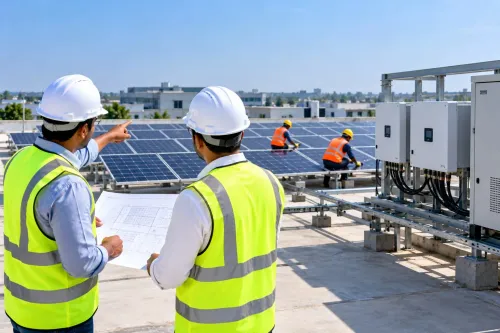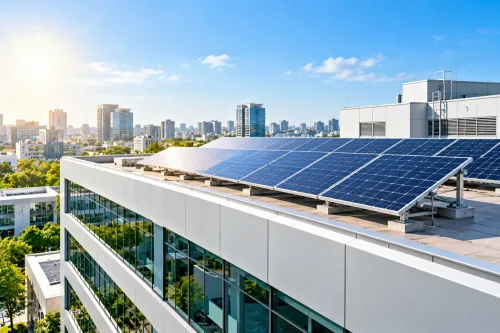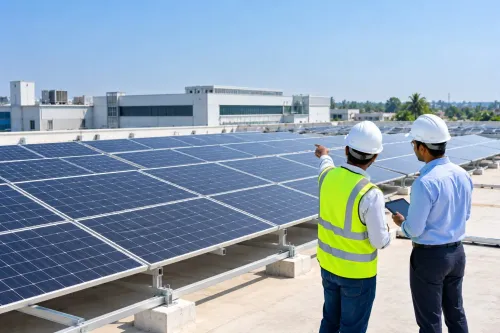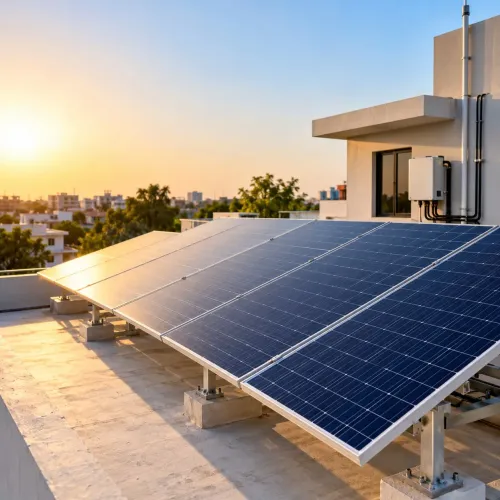
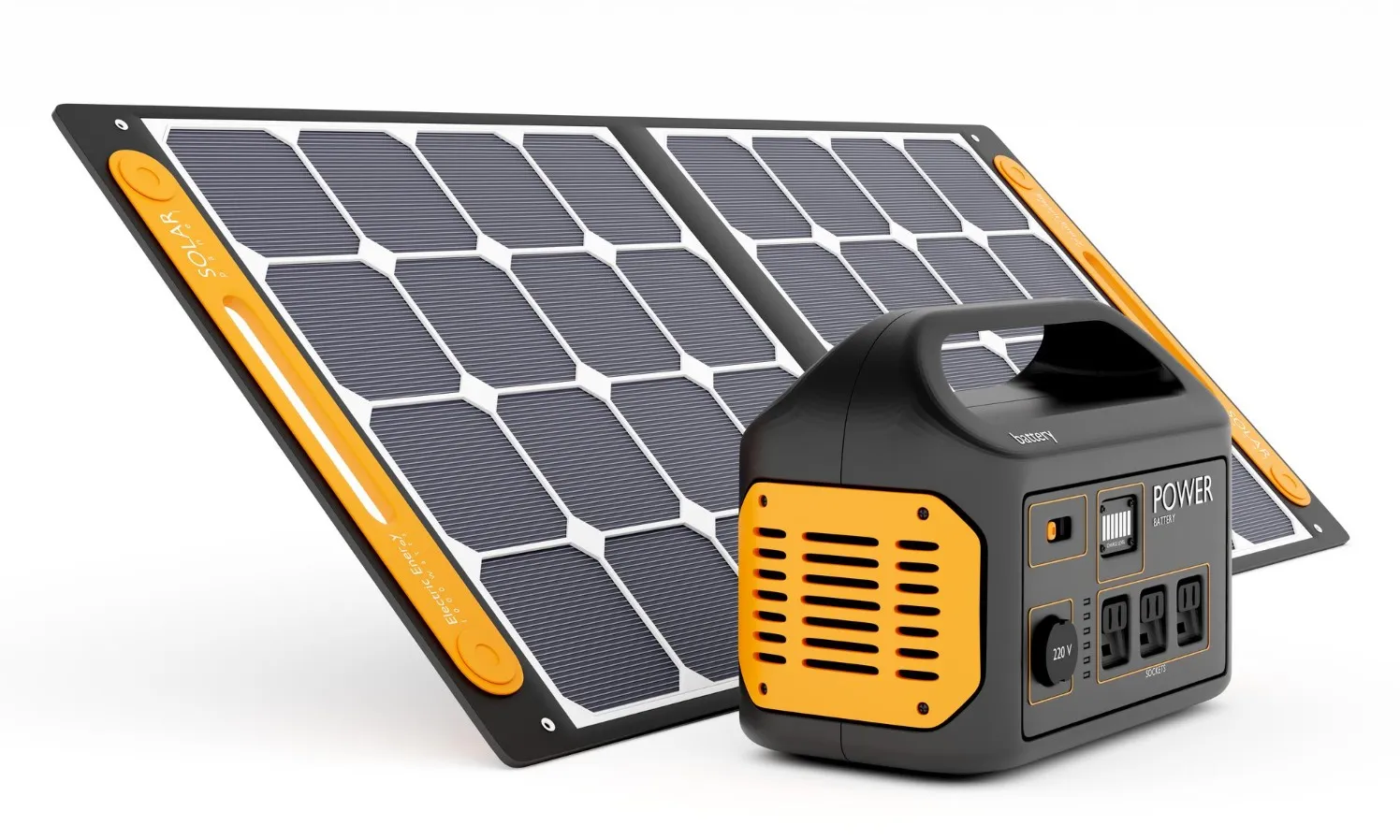
With electricity becoming an essential part of everyday life, many homeowners are looking for smarter ways to meet their energy needs while reducing monthly expenses. One solution that continues to gain attention is a solar power generator. As more homes across Nashik adopt renewable energy, people naturally have questions about how these systems work, whether they are suitable for residential properties, and what they can realistically expect after installation.
If you're considering investing in solar energy, this guide answers some of the most common questions homeowners ask before making the switch.
What Is a Solar Power Generator?
A solar power generator is a system that converts sunlight into usable electricity for homes, offices, or commercial buildings. Unlike conventional fuel-powered generators that rely on diesel or petrol, a solar power generator produces electricity using photovoltaic (PV) panels.
A typical residential solar system includes:
- Solar panels
- Solar inverter
- Mounting structure
- Electrical protection devices
- Wiring and connectors
- Monitoring system
Depending on the system type, it may also include battery storage to provide backup power during electricity interruptions.
How Does a Solar Power Generator Work?
The working process is simple but highly efficient.
Solar panels absorb sunlight and generate direct current (DC) electricity. The inverter then converts this into alternating current (AC), which powers everyday household appliances.
If the system produces more electricity than your home requires, the surplus may be exported to the electricity grid through net metering, subject to local regulations.
Can a Solar Power Generator Run an Entire House?
Yes, but it depends on the system's capacity and your household's electricity consumption.
The ideal system size is determined by factors such as:
- Average monthly electricity usage
- Number of family members
- Appliances used daily
- Future electricity requirements
- Available rooftop space
A professional energy assessment helps determine the appropriate capacity for your home.
Does It Work During Cloudy Weather?
Yes.
Solar panels generate electricity whenever daylight is available. While energy production may decrease on cloudy or rainy days, modern solar panels continue producing power even without bright sunshine.
This makes rooftop solar a practical option for homeowners in Nashik, where sunlight is available for most of the year.
Will the System Work During a Power Cut?
The answer depends on the type of solar system installed.
- On-grid systems generally shut down during a power outage for safety reasons.
- Off-grid systems use battery storage and continue supplying electricity.
- Hybrid systems combine both features, allowing battery backup while remaining connected to the utility grid.
Choosing the right configuration depends on your electricity requirements and backup expectations.
How Long Do Solar Panels Last?
One of the biggest advantages of residential solar systems is their durability.
Quality solar panels are designed to withstand:
- High temperatures
- Heavy rainfall
- Strong winds
- Dust and outdoor exposure
With proper installation and periodic maintenance, they can continue generating electricity efficiently for decades.
Is Solar Maintenance Difficult?
No.
Residential solar systems require relatively little maintenance compared to many other home improvements.
Simple maintenance usually includes:
- Cleaning the panels to remove dust and debris
- Checking electrical connections periodically
- Monitoring inverter performance
- Scheduling professional inspections when required
Routine maintenance helps maintain consistent energy generation throughout the year.
How Much Rooftop Space Is Required?
The amount of rooftop space depends on the size of the solar system you choose.
Factors that influence space requirements include:
- Monthly electricity consumption
- Type of solar panels
- Roof design
- Installation layout
- Available shadow-free area
A professional site survey helps determine how much of your rooftop can be utilised efficiently.
What Should You Compare Before Choosing a Solar Provider?
Not all solar installations deliver the same performance.
Before making a decision, compare:
- Equipment quality
- Solar panel efficiency
- Inverter technology
- Product warranties
- Installation experience
- Safety standards
- After-sales service
- System performance estimates
Choosing solely on price may result in lower efficiency or increased maintenance costs later.
Is Solar a Good Investment for Homeowners in Nashik?
For many households, the answer is yes.
Nashik enjoys favourable sunlight conditions throughout much of the year, making rooftop solar systems a practical long-term investment. In addition to reducing electricity bills, homeowners benefit from cleaner energy, lower dependence on conventional power, and greater protection against rising electricity tariffs.
As renewable energy adoption continues to grow across Maharashtra, residential solar systems are increasingly viewed as an improvement that adds long-term value to a property.
Why Professional Planning Matters
Every home has unique electricity requirements and rooftop conditions.
Professional planning includes:
- Site inspection
- Shadow analysis
- Structural assessment
- Energy consumption analysis
- Proper system sizing
- Safe electrical design
These factors significantly influence how efficiently a solar power generator performs over its lifetime.
Many homeowners in Nashik choose experienced companies that focus on customised solutions instead of standard packages. SunsetLife Solar Pvt. Ltd. evaluates each property's rooftop, electricity usage, and future energy needs before recommending a suitable solar solution that aligns with the homeowner's long-term goals.
Final Thoughts
A solar power generator is more than an alternative source of electricity—it is a long-term investment in energy efficiency, sustainability, and financial savings. Understanding how the system works, asking the right questions, and selecting quality equipment can help you make a confident and informed decision.
If you're planning to install a residential solar system in Nashik, take the time to compare providers, understand your energy requirements, and choose a solution designed specifically for your home. A well-planned solar installation can deliver dependable clean energy, lower electricity costs, and long-lasting value while contributing to a more sustainable future for your family and the environment.
Keywords